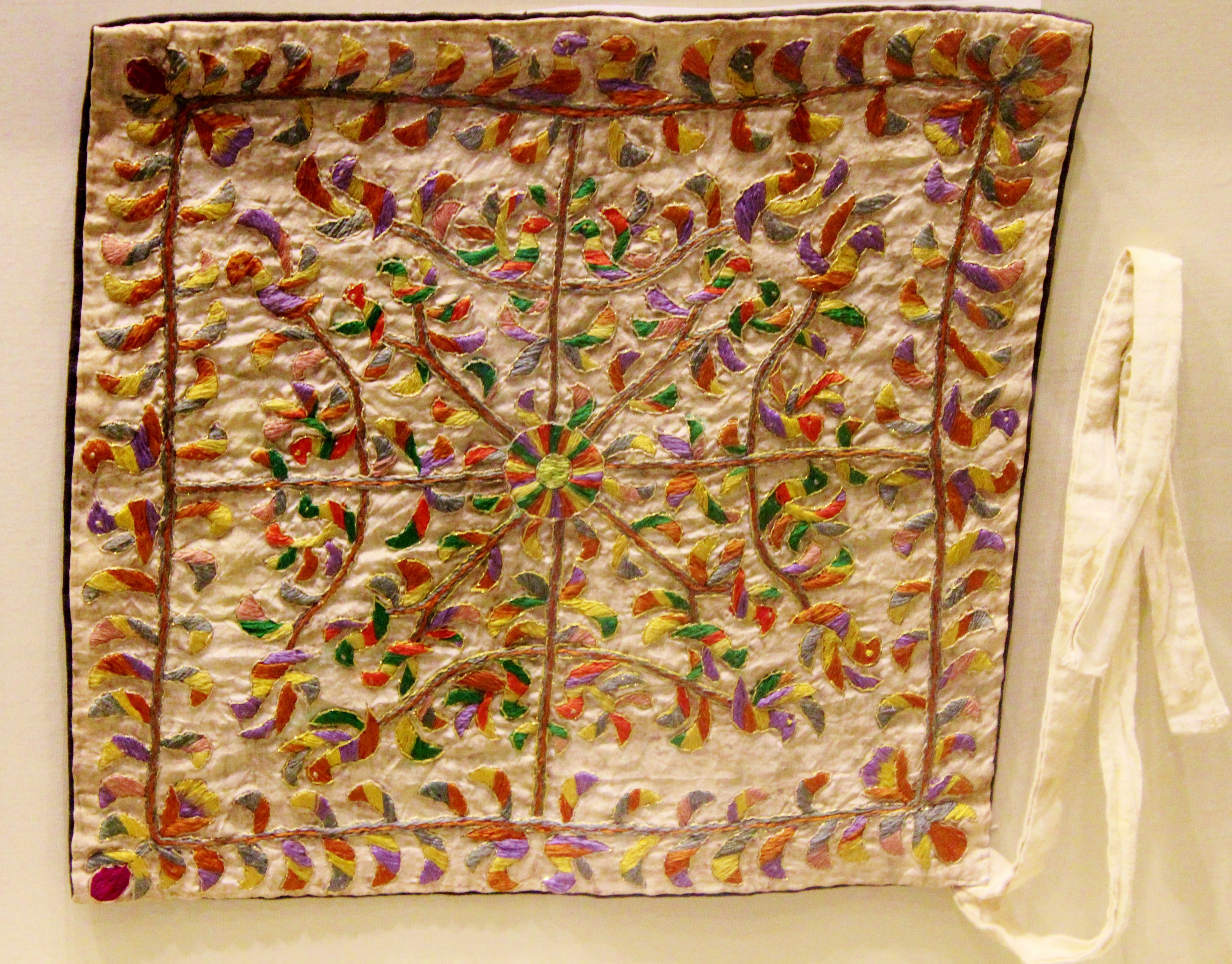
 Bojagi is an ancient traditional Korean wrapping made by patching together leftover scraps of material and turning them into useful wrappers, as well as artistry. They were used to wrap, store or carry things in everyday life. Most significant is that Bojagi reflects the "Koreans' traditional love of giving and forgiving, based on an unusually strong sense of warm-hearted community" (Korean Folk Art Museum).
Historians report that Bojagi were first crafted by a small number of unknown women in small villages in the 15th century during the Joseon dynasty (1395-1910). However, some records indicate Bojagi making dates back as far as The Three Kingdoms period (57 B.C.-668 A.D.). Although these colorful wrapping cloths had a wide variety of practical uses they also had other symbolic uses. 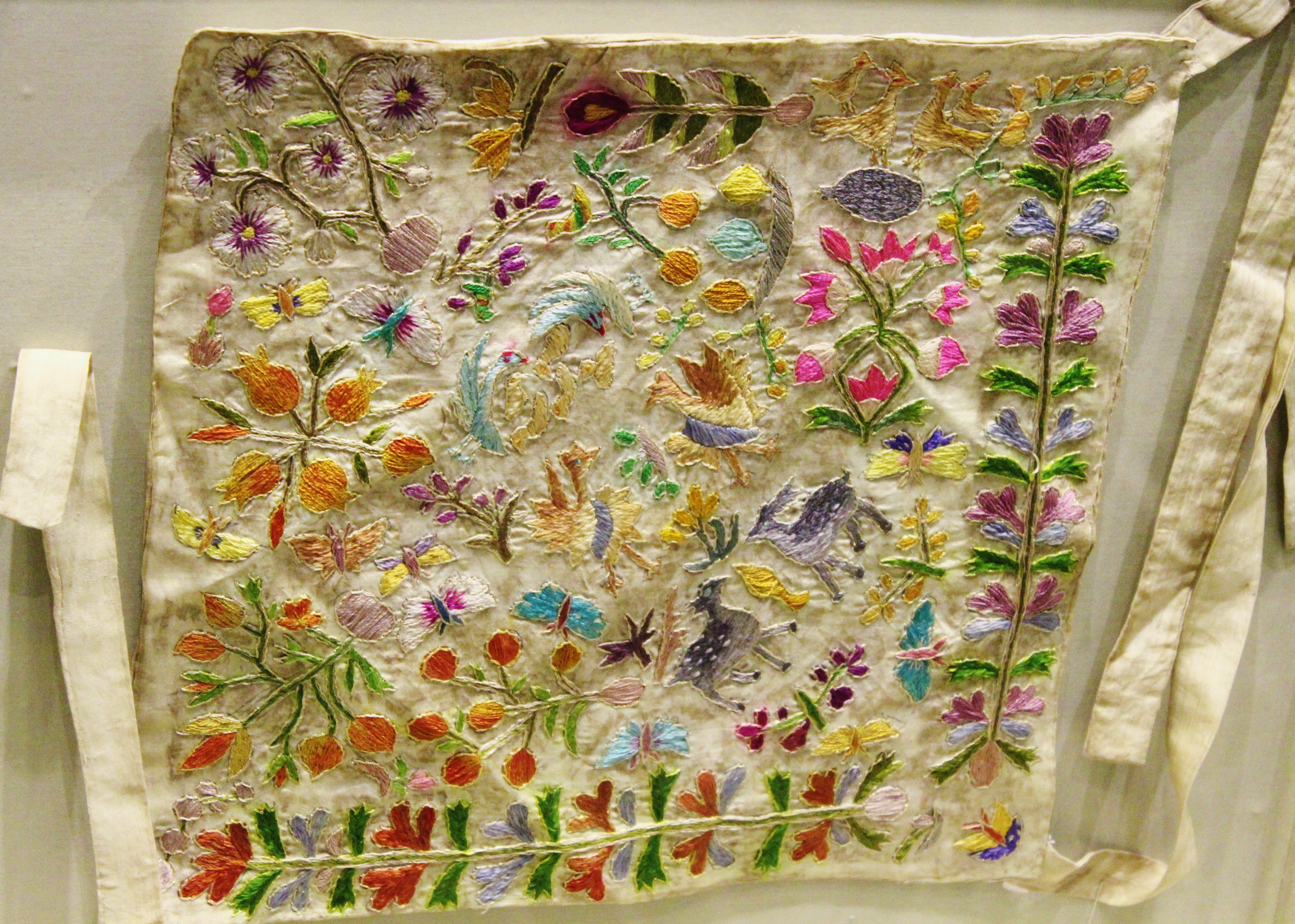
Back then Korean women lived in a strict Confucian society and were confined to their households. They were not allowed to participate in any educational or artistic pursuits. During the day they performed their daily chores of cooking, cleaning and caring for their families but at night the women would gather together to connect, share stories and sew. Scholars believe that sewing and embroidering Bojagi was a creative outlet for women artisans to express their repressed desires. These women wove their secret hopes, cherished dreams and love for their families and friends into the very fabric of the Bojagi.
This explains the intricate beauty of the Bojagi. A contemporary artist, Youngman Lee reaveals that the word “bo” means wrapping happiness or fortune. What is so unique about these cloths is the loving care that went into making them. The belief was that the careful making of the Bojagi imparted great blessings upon the recipient.
As was the custom of the times, when a woman married she moved in with her husband’s family and often she never saw her parents again. Mother’s would pour their love into making a Bojagi for their daughter and these would be passed on to their daughters.
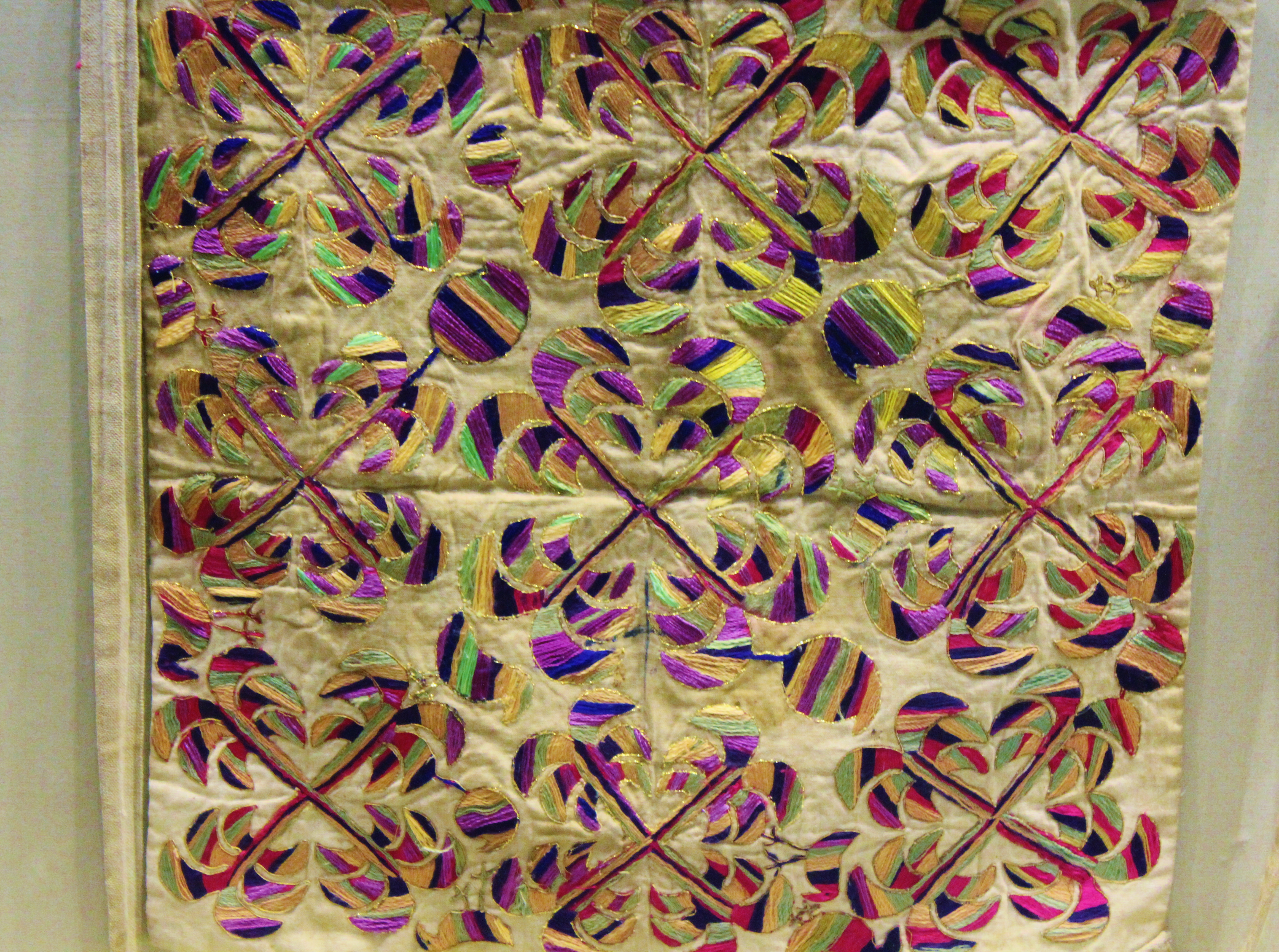 Until recently the making of Bojagi was not recognized as an art form but was viewed as only utilitarian and this art became almost extinct. Fortunately there are contemporary artists that recognize the value of Bojagi and have revived this uniquely sacred art form.
Personally, I feel very blessed to be a recipient of love and hospitality from a warm-hearted Korean community.
Contributed by Liz Sorensen Wessel
Photos taken at the Folk Art Museum, Seoul Korea (March 2015)


 Journal of Sacred Work
Leave a comment