"My soul wandered, happy, sad, unending./ Thinking, burying lamps in the deep solitude./ Who are you, who are you?" – Pablo Neruda
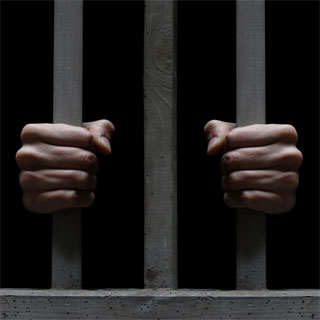 Billy is scheduled to be executed in six months. After many years on Tennessee's death row, it appears he is in his final weeks on this earth. Soon, the state will kill him. The only caregiver who will take Billy's final walk with him will be a minister.
Who is Billy? Who are you? Do we really think of Billy as being as human as are we?
Nearly 100% of death row inmates are poor. Are we really that much different from those convicted of felonies? Or were we just lucky to be born into a good family.
As I go about my life switching from mask to mask depending on the situation, I wonder about who we are. Who, really, is the man I have worked with for ten years making documentary films about hospitals? Who is the woman who waits on the table at the restaurant where my wife and I order dinner?
Who is the nurse who shouts out my name as I sit in the waiting room? Who is the doctor who has treated me for years. In general, we only get a quick glimpse into the lives of others.
As professionals, caregivers are so good at "masks" that it is difficult to know their true selves. I often think that professionals and the middle class in general are the ones who wear the most masks.
Poor people have no need to fake it. Rich people don't either. It's the large middle class that determines the rules we live by. Perhaps, it is this group that forces us to pretend so much – so that we can fit in.
Just before I saw Billy on death row today, I heard about a rule from one of the veteran guards. "These men don't touch grass," he told me. "When they're outside, they're caged in wire and concrete. When they're inside, they're locked in steel and concrete."
Cut off from nature and cut off from society, it's hard to imagine how Billy, or the rest of his eighty-four fellow men and one woman (the population of Tennessee's death row) are able to sustain their humanity.
In addition to my other prison ministry, I have volunteered to become a caregiver to one of these death row inmates and will start seeing him regularly in a couple weeks. My first thought was that I'd love to bring him a plant to keep in his cell – some sign of nature. But, that is probably against the rules.
Prisoners, especially death row inmates, have been told who they are. Everyone has advised them they are worse than bad. They are evil. They are trash.
Caregiving for this group is problematic. The program I volunteer with is designed to offer friendship to inmates who have no other visitors.
No visitors, no grass, no friends – except volunteers. Down the hall, the death chamber awaits.
Who are we? Are we caregivers who can think how to offer love to these children of God or will we join the rest of society and simply condemn them as subhuman?
In the Gospel of Matthew (25:39-40) Jesus says, "39…when was it that we saw you sick or in prison and visited you? 40. And the king will answer them, 'Truly I tell you, just as you did it to one of the least of these who are the members of my family, you did it to me.'"
Our humanity is determined by how we treat "the least of these" in the world. How we think about others – whether sick, injured, or condemned to die, determines whether we really believe that we are all children of God – and whether we are living Love, not fear.
-Rev. Erie Chapman


 Journal of Sacred Work
Leave a comment