"…for there is nothing either good or bad, but thinking makes it so." – Hamlet, Act 2, Scene 2
Shakespeare wrote this line into Hamlet's mouth to let Hamlet tell Rosencrantz he thought Denmark was "a prison." When Rosencrantz disputes this, Hamlet delivers the immortal line that describes our human condition. We know that what we think creates our truth and that what we think determines our actions.
 So if we think "Love" that will be our perception and our behavior (since behavior stems from thoughts.) But, so much of our behavior seems to be thought-less.
The reptilian part of our brain can trigger sudden anger that will short circuit Love's energy. I saw this as a prosecutor. The defendant in a bank robbery case I prosecuted had lept over the counter and pistol-whipped one of the tellers. "I really didn't mean to do that part," he told the judge at his sentencing. "It was thoughtless and I am sorry." (The judge was not impressed and sentenced the defendant to twenty-five years.)
What is our "sentence" if we fail to live Love? The answer is that we will live further from the Light. However, living Love is not about punishment or a "sentence." We can choose to sentence ourselves to a life of new thinking and new behaviors.
Cognitive therapy can change our thinking. Yet, our patterns are so ingrained that changing these patterns is incredibly difficult. Anger management training has been known to help volatile surgeons behave better in the operating room. The training fails more often than it succeeds.
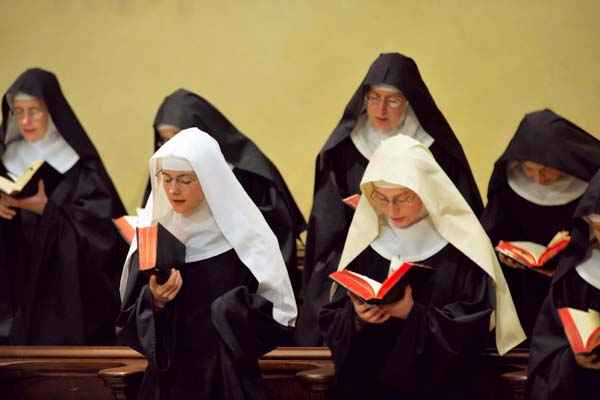
Catholic nuns and Buddhist monks have found a good answer that more of us could practice. They pray a lot. And every good nun, every monk, as well as every one of us, knows that prayer is never enough. Love needs to be lived. Prayer is a way to place us in a position of humility which can allow God to speak through us.
For the rest of us, there is a pathway to change that has four basic steps. Ritual can help ingrain these steps but the process requires deep commitment and persistence.
The cognitive process goes like this:
- AWARENESS: Become aware of fears that are blocking you from living Love.
- ACCEPTANCE: Accept that living Love is both possible and essential to your life.
- INTEGRATION: Imagine how your life will look if you lived Love.
- ACTION: Put your decision to live Love into action, reflect on this, and keep at it.
I have tried hard at this with very limited results. My old patterns (in some cases, biases) together with lapses into reptilian reaction, often doom my best efforts. Still, over time, I like to think I've moved a tiny bit closer to Love.
The cognitive change process is used to help addicts break out of their prison of addiction. It's equally important for all of us because we are all addicted to our patterns. For the alcoholic, accepting the need to stop drinking often means a life change that is difficult because the addict cannot imagine a life without alcohol. Accordingly, he or she never gets past stage three.
What are the "pattern addictions" we would like to replace with new patterns of a loving life? For example, perhaps we have grown up passing judgment on others for being too fat, too dirty, too drunk, too profane or even too lazy. We need to be aware of these views particularly in the context of treatment.
Imagine the implications for caregivers of the above thought patterns. We've all heard about the nurse in the ER who sees an alcoholic coming through door and says to her partners: "Here comes the frequent flyer again." Everyone nods. Subconsciously, they have decided the person with the alcohol problem is no longer quite human. He's just his disease. This judgment may not stop the patient from getting medical treatment, but it will likely block caregivers from offering loving care.
Leaders are in a terrific position to help others change thought and behavior patterns. Leaders can impact work culture and create environments where Love thrives.
Still, each of us needs to look into our own hearts for the courage to change our thoughts for "thinking makes it so."
Living Love. Don't we owe this to our patients, to our friends, and to God?
-Rev. Erie Chapman


 Journal of Sacred Work
Leave a reply to Marily P. Tronco Cancel reply