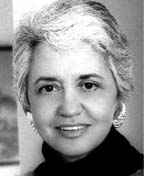
 "Fixing is too small a strategy to deal with loss." – Rachel Remen, M.D.
Dr. Remen (in photo at left) should know. She lost her health to Crohn's disease as a very young person. She was told by her doctor (as was I with the same diagnosis) that she might not live to age forty.
Our health is so precious to us that the loss of it sends us racing to doctors to "fix" what's wrong. As Dr. Remen so accurately states, "fixing is too small a strategy" for such a loss.
Reverend Marcy Thomas' adult life story is pockmarked with cancer and other serious health problems. Her husband died of cancer. One dark day, her doctors told her that she, too, had the dreaded disease.. She has survived that diagnosis and much more.
Recently, she awoke in severe pain – the kind of toxic mix of all-over and specific pain that causes most people to dial 911. Marcy managed to drive herself to the same hospital where she tends the sick.
Over the next days, doctors struggled to diagnose her problem, to "fix" her. Finally, one physician serving a senior fellowship, chose to review some possible diagnoses in Marcy's presence. "It could be a lesion or a mass," the doctor intoned.
"The blood drained from my face," Marcy told me. The horrors of all her past troubles flooded in upon her heart, bring with them fear and dread. Marcy's daughter is close to delivering her first child. Would Marcy live to grandparent this child?
Suddenly, the physician, noticing Marcy's concern, did something all too unusual among medical professionals. She actually got down on her knees, so as to be at Marcy's eye level, and said, "I'm so sorry. I know your history. What I just said must have been so frightening to you."
Touched by this eye-level compassion from a doctor (the kind of thing Rev. Thomas thought only chaplains might do) Marcy said she actually began to feel better. Kind words helped healing.
The doctor showed she could hear the fear in Marcy's heart. She went beyond words. Living Love, she knelt down to meet the deeper need of another.
Perhaps you feel otherwise, but it seems important to me that the doctor kneeled instead of leaning down. Leaning down can signal pity. Kneeling to the eye level of a prostrate patient demonstrates, in this case, compassion. For a moment, the doctor surrendered her commanding position as a powerful, healthy, upright, highly trained, stethoscope-draped professional and became a vulnerable human sharing Love with another weakened by illness.
Of course, the delivery of compassion is an art, not something to be learned from an instruction book. There is always the risk of melodrama that can embarrass the patient instead of healing. My sister, a little person, hates it when people bend down to talk to her. It not only causes her to feel like a child, but draws unwanted attention to her difference from others.
How do we know what to do and when? Love, if we are tuned to her voice, always offers the right answer.
Fortunately, no lesion was found. Marcy is in the process of writing thank you notes to her caregivers. She intends, as well, to track down the physician who went from accidentally scaring her to intentionally loving her. Reverend Thomas wants to be sure this doctor knows how healing compassion can be.
-Rev. Erie Chapman


 Journal of Sacred Work
Leave a comment