 The every-thirteen-years curse of the cicadas has struck the southeastern U.S. in an attack of biblical proportions. Seen or unseen, they are always heard.
The male cicada's twitter increases depending upon the surrounding noise. He will always try to shout louder than the nearest racket. I believe it.
What is the impact of sound in our lives?
Hospitals have their plague of locusts – monitors beep, tick and occasionally blare when their alarms are triggered. There are ambulance sirens, paging and, most preventable of all, loud voices at the nursing station.
Illness creates exquisite vulnerability. Noise is especially painful.
The sick are weary. They seek rest as their bodies try to heal.
The rest of us are also drenched in noise. I have a 1920s era candle phone (above) in my office because its sounds bring a different feeling from the cell phones of today. Their dials click-open a door to my childhood.
The presence of sound enhances our understanding of silence. Anyone who has stopped their car in the desert and rolled down the windows knows the almost-deafening silence that emerges from sound tamped down by sand. The same phenomenon occurs amid snow.
Isn't it likely that hearing arrived in our species as a way to alert us – as another tool to help us survive? When did humans cultivate sound as pleasure? Isn't it probable that in ancient times mothers sang to their babies and lovers to their beloved?
Surely, the people of the pre-civilized world must have enjoyed bird's songs and the way the waves shuffled along the shore.
Why have we so flooded our world with manufactured noise that we often seek to escape it?
Sound-sensitive, I carry earplugs. They dim the cicadas's shouts and modify airplane noise. Strangely, they do little to mute the loudest sound I know: people shouting on cell phones.
Noise can make us ill. The sounds of words can heal. There is healing in the voice of a caregiver who knows how to speak gentle strength into our vulnerability.
 When sound quiets to near silence, we hear our
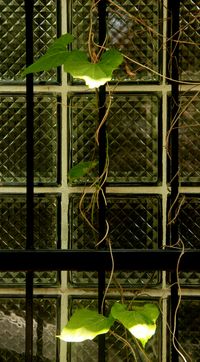
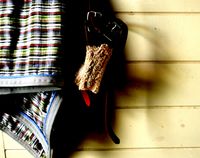
breathing and our heartbeat. We feel the closed-eyed-awareness of a loving presence or the open-eyed experiences of window sills, climbing vines, a blanket, a bridle and a shadow that cannot throw its bit.
-Erie Chapman
Copyright Erie Chapman 2011


 Journal of Sacred Work
Leave a comment