The Impact of "Average"
 Some people think leadership does not matter that much. And that history is unaffected by the actions of those in charge. Sometimes they are right.
However, culture determines behavior & leaders determine culture. So a leader's impact can be profound.
Who is the biggest group that ignores or abuses this power? Leaders themselves.
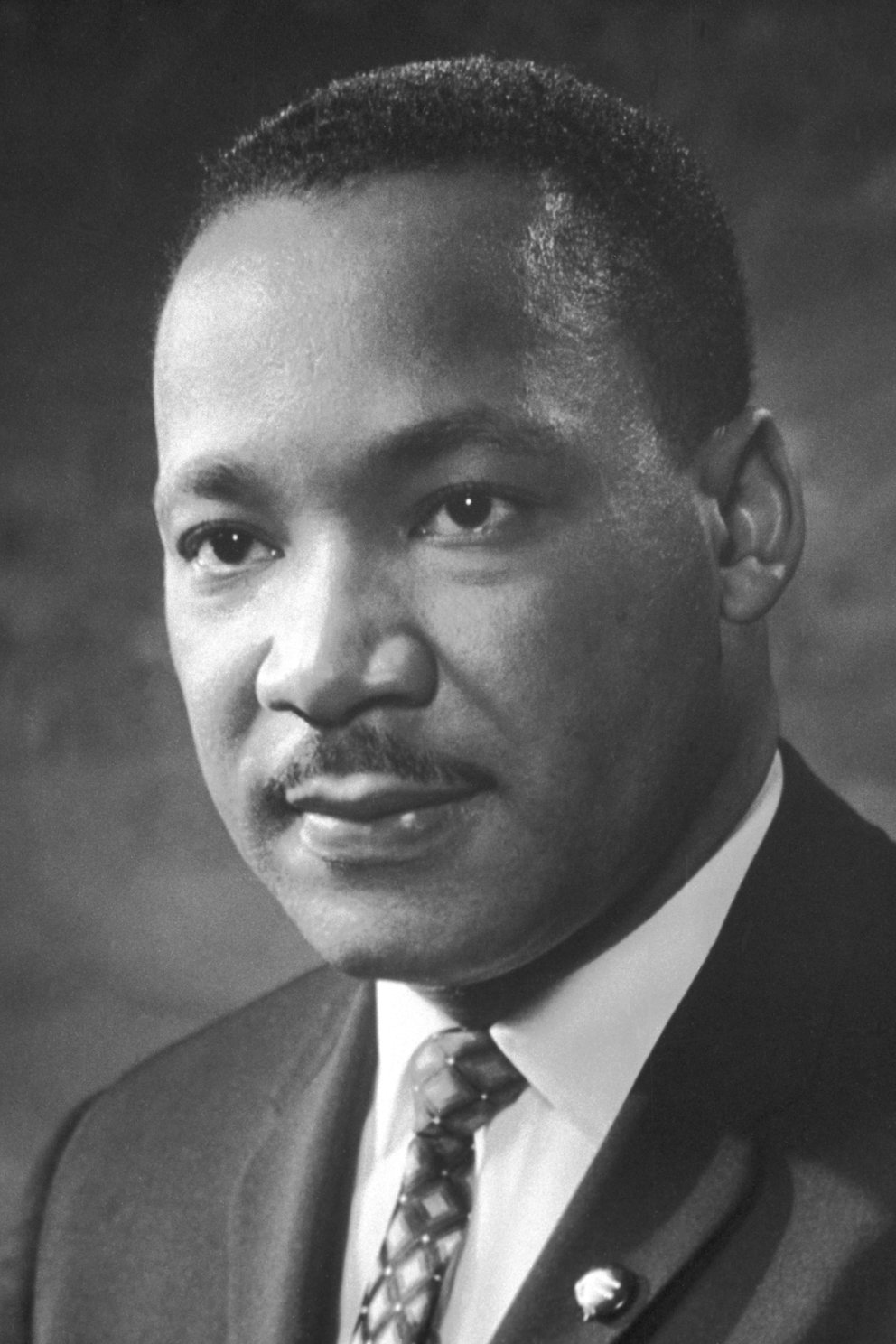
Any leader seeking great change has to think & act like leaders who have accomplished that kind of change. If you think & act "average" that is the outcome you will create. What if you think & act in the manner of Martin Luther King, Susan B. Anthony, Jack Welch or Eleanor Roosevelt?
Leaders who govern by threats create climates of fear & distrust. Ones that promote & model love draw the best from their staff.
But by definition, most leadership teams are average. Hospitals are not known for attracting innovative management. Instead, way too many hospital & health system CEOs tolerate mediocrity thus stunting meaningful change & squandering their organization's potential.
The culture of Riverside Methodist Hospital when I arrived as CEO in 1983 could be described as profoundly “Okay.” When asked about patient satisfaction a fellow leader said, “72nd percentile. Pretty good.” How was quality? "Pretty good." What about the bottom line? About two million. Not great for a hospital with debt to pay & new technology coming fast.
“If your mother had serious heart trouble," I asked him & others, "would you tell her, ‘Come to Riverside. We’re pretty good?”
My predecessor, Edgar Mansfield, was a magnificent person & fine leader for 30 years. He had run White Cross, Riverside’s smaller predecessor. Even though Riverside had become Ohio's largest hospital perhaps he thought its destiny was simply to be a bigger version of White Cross?
The Hidden Gold of Greatness
In fact, Riverside held an undiscovered gold mine of greatness. It would take passion & hard work to mine that gold & shine it into the riches that make up a top notch medical center.
Success of that kind requires one crucial thing above others: massive culture change. Top teams need top coaches. Riverside needed leaders who believed in Riverside's potential, knew how to inspire caregivers & understood how to build the competence & tough-mindedness that lifts average to excellent & excellent to exceptional.
If ever there was a hospital with huge potential it was the one in which I was standing on July 1, 1983. Superb doctors, excellent nursing staff, fine caregivers in general & a leadership team none of whom had entertained the idea that RMH could be a top ten hospital.
There was no coordinated strategy, no inspiring vision, no unifying passion to make Riverside a truly healing hospital.
Some leaders did not have the skill or potential to lift Riverside to a place that could pass what I later named The Mother Test™: Was every caregiver someone whose you would want caring for your mother? If not, why were they there?
Some leaders were uncomfortable with the centerpiece of my approach: That the leader's most important job was to take care of the people who take care of people.
Most leaders in hospitals are trained for something other than leading & often selected by seniority. Many often think their job is bossing others around & often default to the arrogant leader's number one tool: terror.
My core of my approach was that if you want caregivers to deliver loving care you have to love them, not scare them.
"But if we coddle staff they'll get complacent & take advantage of us," one fellow male told me.
Like most men (too many CEOs are males), he misunderstood that the best leaders fit Martin Luther King's description. They are both "tough-minded and tender-hearted."
It was time to assemble a team that fit King's description.
Coming Wednesday: Part VI: "The Birth of OhioHealth: New Leaders, New Culture"
-Erie Chapman


 Journal of Sacred Work
Leave a reply to Liz Wessel Cancel reply