 “As a hospice nurse, I went to see my patient at a skilled nursing facility. He had a brain tumor and was about my age. His family arrived in town that a.m. and after speaking with them, I explained that death was imminent with pain out of control, they decided to go look for a motel room.
I called and let my clinical manager know that I needed help to cover my other patients and that I would be at least 2-3 hours with the patient. I was given all the help I needed. I spent the next hour and a half dosing this patient with roxanol (for pain) until there were no signs of symptoms of pain, respirations were non-labored and the patient appeared very comfortable.
He remained non-responsive. I sat at the bedside until his family returned holding his hand. I noticed a bible on the nightstand and opened it to psalms and began reading to him. Then I read some of my favorite scriptures about God’s promises. I sang, read, and talked to this gentle soul until he quietly slipped away into the arms of God.
His family never did arrive. I did all the necessary tasks involved after a patient dies. I sat by myself for just a little while to reflect. For the first time in all the deaths that I attended as a nurse and for my own family, I had a very unusual, very strong reaction to this man’s death. Physically, emotionally and spiritually., I felt as though I had given birth. Strange, but true, and I will always remember his death as a rich blessing and a perfect healing.”
The above narrative was written by a nurse and is an excerpt from my thesis from 2004. My aim was to determine the impact of palliative care education and the writing of a reflective narrative on nurses’ self-awareness of attitudes towards death and their attitudes towards caring for dying patients and their family.
It is clear to see that this nurse demonstrated a high level of clinical expertise in managing the patient’s pain to assure his comfort and when she realized that the family was not able to remain, she mobilized team support. The importance of team support cannot be minimized because if the manager did not assist this nurse the outcome could have been very different. The nurse connected with the patient on a very human level, and went beyond her role of nurse to become family.
She connected on a deep spiritual level with unconditional regard and a reverence for human dignity. She did not abandon him, and in the end, encountered a deeply moving and personally rewarding experience.
A common thread in many of the narratives that were reviewed was a description of an experience that held great meaning and purpose, and had a transformative effect on the nurse.
Other characteristics of therapeutic presence in these narratives involved a “seizing of the moment” to intuitively act upon and to bring forth a positive outcome in a tenuous situation. These scenarios also reflected the nurses’ ability to accept the patient and family with out judgement.
Liz Sorensen Wessel
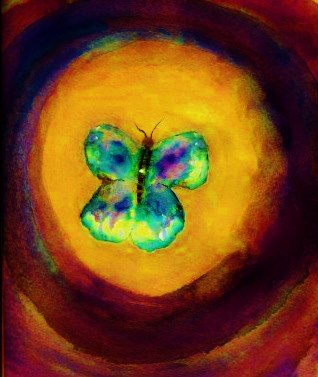
Watercolor by ~liz


 Journal of Sacred Work
Leave a reply to Jolyon Cancel reply