 Fifteen years after the Civil War, legendary poet Walt Whitman, a volunteer nurse in the incredibly bloody conflict, sat at his desk reflecting. He had immersed himself in the massive horrors of the war that killed hundreds of thousands. Images of severed limbs scattered in lead bins haunted him. The distorted screams of suffering soldiers and grieving wives echoed through his nights.
Then he thought about the other caregivers with whom he had stood shoulder to shoulder.
“There is something in personal love, caresses, and the magnetic flood of sympathy and friendship, that does, in its way, more good than all the medicine in the world,” her wrote.
It is first line caregivers that know the most about that. They must train themselves to keep “professional distance,” and approach freighted with risks.
Wrongly practiced, such “distance” can seal off humanity in favor of robotic imitation. Yet falling too deeply into the agonies of others can paralyze and exhaust the deeply compassionate.
The best caregivers I have known find that Aristotelian balance. That golden mean in which they offer the best of both.
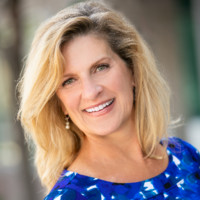
I saw that in the eyes of oncology nurse Lynn Davidson, and in her supervisor, Cindy Hughes at Riverside Methodist. I saw it again in ICU nurse Deadre Hall, neonatology nurse Laura Madden and neonatologist Dr. Liz Krueger at Baptist hospital. And in the eyes of home care nurses at Alive Hospice and former leaders Jan Jones and Karen York (pictured.)
Leaders at the best hospitals create caring cultures by modeling. That was former Chief of Staff and medical director Nick Baird at Riverside and Chief Operating Officer Paul Moore at Baptist.
These leaders were witnesses as well as teachers. Cheerleaders as well as bosses.
It was the honor and privilege of my life to watch these caregivers doing so well what Whitman described. Their “personal love, caresses and the magnetic flood of their sympathy…” did “more good than all the medicine in the world.”
-Erie Chapman


 Journal of Sacred Work

Leave a reply to Terry Chapman Cancel reply