 Erie Chapman’s provocative Journal essay has stimulated much thought and discussion among Journal readers (Days 267-271 – The Courage to Live and to Die?. Most people would agree it is important to talk with their physician about their wishes for medical care should they lose the ability to speak for themselves (80%; Source: Coalition For Compassionate Care). However, very few people actually have the conversation (of those polled only 7%). People may experience the irrational thought or superstition that if we talk about end of life care we may hasten its arrival. Or some may deny the reality in hopes that, as in a bad dream, it will go away. Additionally, a quality conversation and exploration of these concerns takes time. Many physicians are already overstretched and lack the time for these in-depth discussions.
When a loved one is seriously ill family members may avoid talking because they fear it may make the person feel sad, anxious or depressed. Everyone is trying to protect each other from truth telling. If someone you love winds up hospitalized or in ICU most likely the attending doctor has never met them and must ask, “Did you ever speak to your mom about her wishes? Do you know what she would want?” More often than not a son or daughter will say, “No, we never talked about it.” This creates a distressing situation for both the family and the medical team. Family members are pressed to make heart wrenching decisions while receiving conflicting messages from various medical providers about what is best.
Invariably families will lean towards heroic measures to help their loved ones, rather than live with the guilt of not having done everything humanly possible. Even in situations where there is a very slim chance for recovery and while they watch their loved one endure prolonged suffering. This is why statistics show families are nine times more likely to suffer post-traumatic stress disorder and prolonged grief when a loved one dies in ICU.
When my brother Johnny died of cancer, I tortured myself with thoughts of if only… I had not said this, if only I had said that. These thoughts seemed to drown out all the love my brother and I shared, the good care I provided and how I was able to be there for him. Even with all my years of nursing experience and all my learning, when it came to my dear brother I felt I had blown it. I too experienced complicated grief.
There is another way and it starts with a conversation. It begins by asking oneself, “What do I love? What makes my life worth living?” We need to talk about our wishes long before an illness occurs that results in a crisis. We need to include our family in the conversation and as well as our young people. They too need to weigh in and tell us what they would want if compromised. This is one of the greatest gifts we can give our loved ones to prevent placing them in the agonizing dilemma of having to choose.
There is a grass roots effort underway that can provide the needed support. Visit theconversationproject.org and receive the gift that offers peace of mind for you and your loved ones.
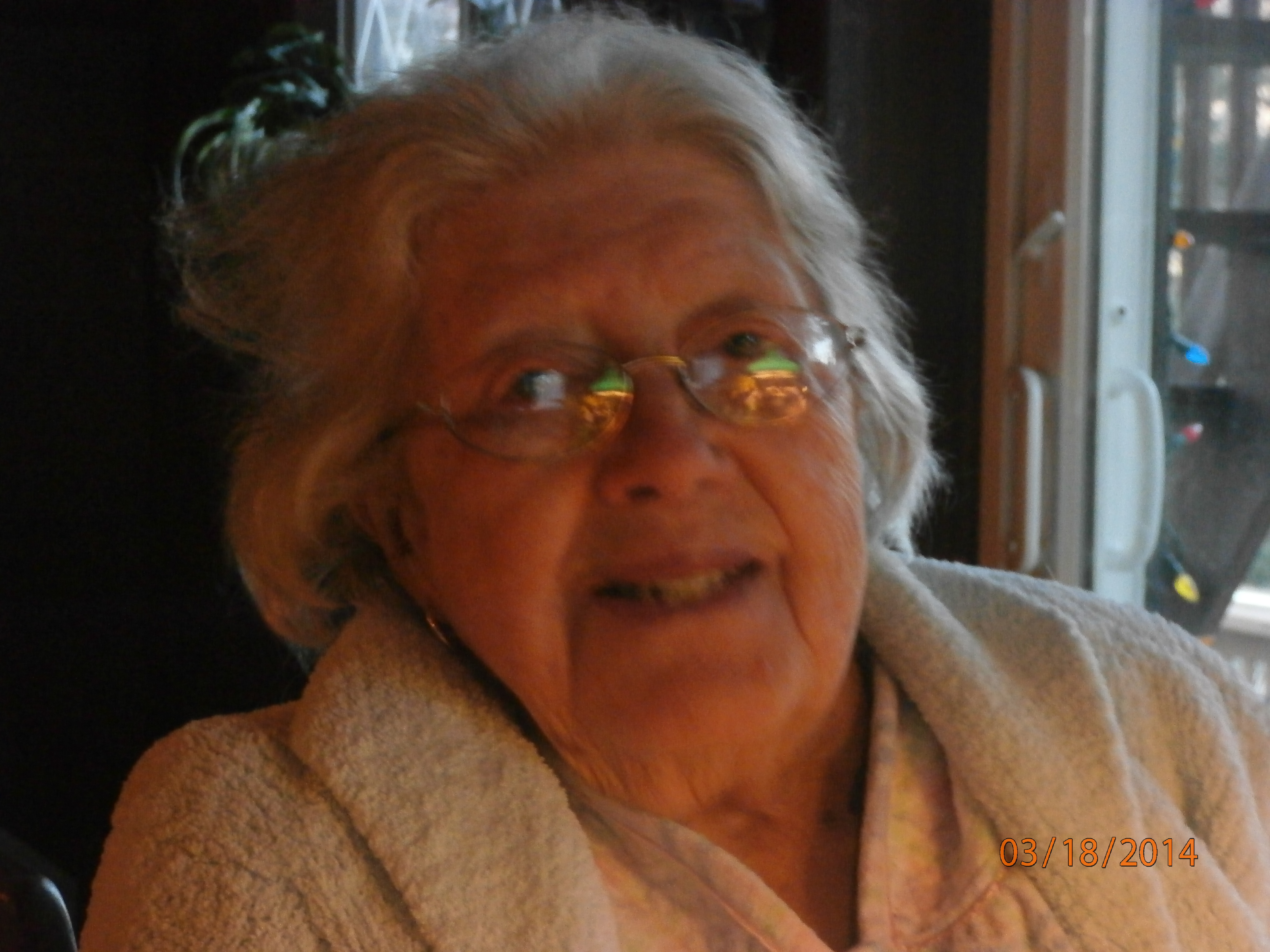
In loving remembrance of Elizabeth Dorothea Sorensen February 17, 1916- August 20, 2014
Liz Sorensen Wessel
Photos by ~liz


 Journal of Sacred Work
Leave a reply to erie chapman Cancel reply