
Journal of Sacred Work

Caregivers have superpowers! Radical Loving Care illuminates the divine truth that caregiving is not just a job. It is Sacred Work.

About

Butterfly 2Erie Chapman’s provocative Journal essay  has stimulated much thought and discussion among Journal readers (Days 267-271 – The Courage to Live and to Die?. Most people would agree it is important to talk with their physician about their wishes for medical care should they lose the ability to speak for themselves (80%; Source:  Coalition For Compassionate Care). However, very few people actually have the conversation (of those polled only 7%). People may experience the irrational thought or superstition that if we talk about end of life care we may hasten its arrival. Or some may deny the reality in hopes that, as in a bad dream, it will go away. Additionally, a quality conversation and exploration of these concerns takes time. Many physicians are already overstretched and lack the time for these in-depth discussions.

When a loved one is seriously ill family members may avoid talking because they fear it may make the person feel sad, anxious or depressed. Everyone is trying to protect each other from truth telling. If someone you love winds up hospitalized or in ICU  most likely the attending doctor has never met them and must ask, “Did you ever speak to your mom about her wishes?  Do you know what she would want?” More often than not a son or daughter will say, “No, we never talked about it.” This creates a distressing situation for both the family and the medical team. Family members are pressed to make heart wrenching decisions while receiving conflicting messages from various medical providers about what is best.  

Invariably families will lean towards heroic measures to help their loved ones, rather than live with the guilt of not having done everything humanly possible. Even in situations where there is a very slim chance for recovery and while they watch their loved one endure prolonged suffering. This is why statistics show families are nine times more likely to suffer post-traumatic stress disorder and prolonged grief when a loved one dies in ICU.

When my brother Johnny died of cancer, I tortured myself with thoughts of if only… I had not said this, if only I had said that. These thoughts seemed to drown out all the love my brother and I shared, the good care I provided and how I was able to be there for him. Even with all my years of nursing experience and all my learning, when it came to my dear brother I felt I had blown it. I too experienced complicated grief.

There is another way and it starts with a conversation. It begins by asking oneself, “What do I love?  What makes my life worth living?” We need to talk about our wishes long before an illness occurs that results in a crisis. We need to include our family in the conversation and as well as our young people. They too need to weigh in and tell us what they would want if compromised. This is one of the greatest gifts we can give our loved ones to prevent placing them in the agonizing dilemma of having to choose.

There is a grass roots effort underway that can provide the needed support. Visit  theconversationproject.org and receive the gift that offers peace of mind for you and your loved ones.
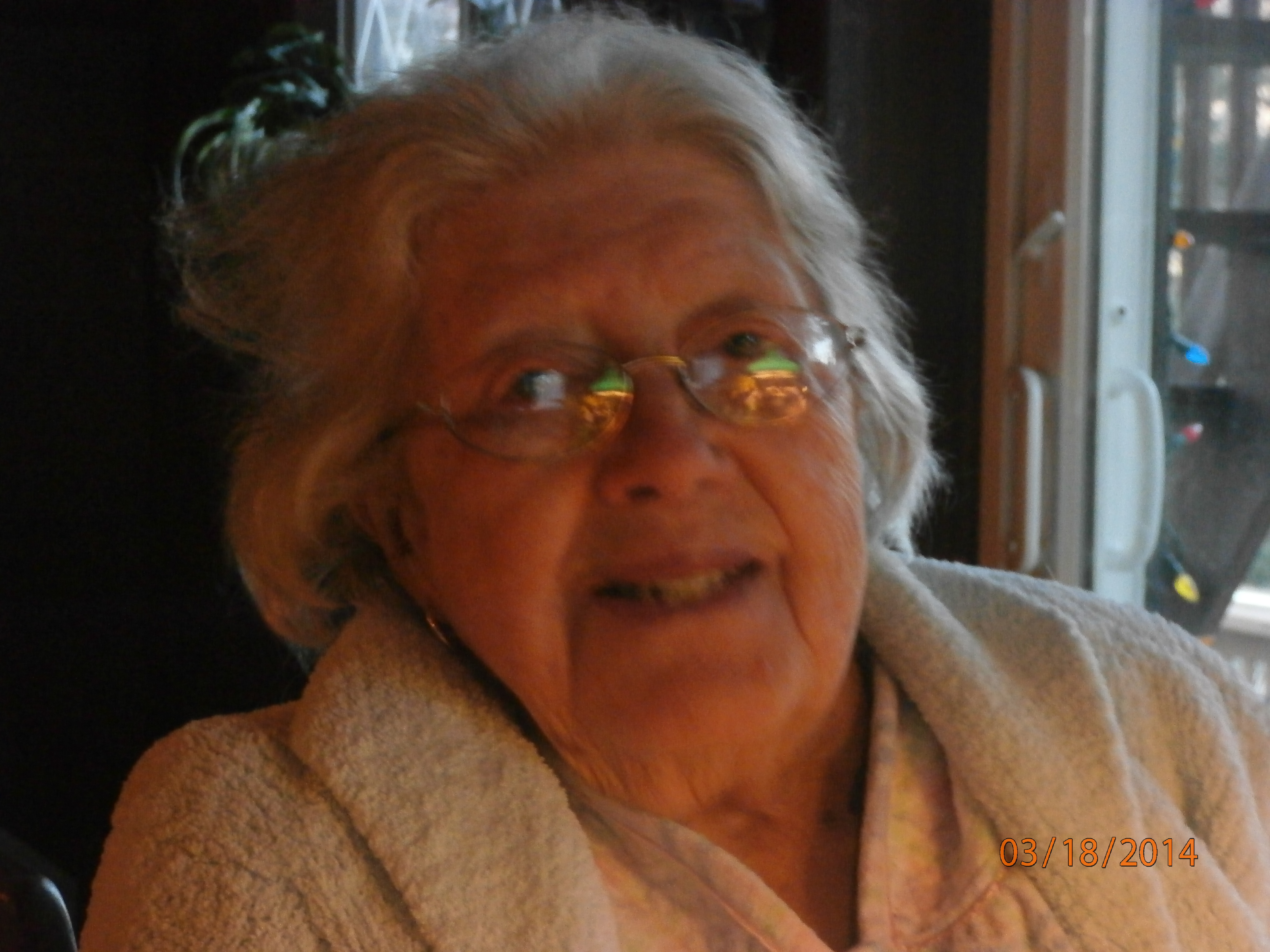
P3180529


In loving remembrance of  Elizabeth Dorothea Sorensen February 17, 1916- August 20, 2014

Liz Sorensen Wessel

Photos by ~liz

Posted in

6 responses to “Days 272-273 What Do You Love?”

  1. erie chapman Avatar
    erie chapman

    This is such a deeply insightful commentary which is grounded in your long professional and personal experience, Liz. Thank you for sharing it with us. This line is particularly provocative: “Everyone is trying to protect each other from truth telling.”
    It is SO difficult to change this behavior pattern in the last days of life. I find it ridiculous that so many people are engaged in the odd idea that other adults “can’t handle” bad news. Of course they can. And if they are saddened by the news isn’t that completely appropriate? Thanks also for the personal references to your life. May you and others find peace in the whole idea of finding the right time to let go – of both loved ones whose time has come, and of guilt over having “not done enough.”Blessings to the memory of you mom and brother.

    Like

  2. sbeng@att.net Avatar
    sbeng@att.net

    Liz: what a practical and necessary subject to bring out in regards to the practical issues of life in relation to mortality which we all eventually face. I see the primary thing is to talk about them in good times young or old and lay down the practical preparation before it is too late. Working out in the field as an a Visiting Nurse I come across families that have prepared or not prepared for the demise of their loved ones. I saw an elderly patient with Cancer of the Lung. She was in bed with an oxygen tube tethered to her nose. Her daughter was present with her when she conversed with me. She told me that she “will no longer be on this earth much longer”. The daughter was surprised and later told me in another room that her mother had not spoken to her about this matter. I took her through the necessary preparations that she should make in lieu of the eventual outcome. She was very appreciative. Sometimes patients feel more comfortable opening up the discussion about this subject in front of the family member with a medical personal present as they do not know about the family member’s ability to face and cope with “the news”. Thank you for the information “Coalition on Compassionate Care”. It is very resourceful.

    Like

  3. JVD Avatar
    JVD

    Liz asks “What do you love?” – in the context of letting go.
    Sometimes death brings us closer to life. And Love.
    I wrote that down as I was beginning to watch the move ‘Departures’ – a 2008 film from Japan that won the Oscar for Best Foreign Language Film in 2009. It somehow came into my attention this week. It deals with how many people deal with death, plan for it, deal with it or try to avoid its touch, and anyone associated with death. It is one of the best films I have ever watched. It brings to life what most be done with death and dying. If you do not plan for it, someone else gets to make all your decisions for you. The movie has wonderfully understated conversations between the characters.
    We all know we are going to die. This body of ours will wear itself out. Our essence will move on. If we have the conversation about our beliefs and wishes for our future or futures, then it will be easier for those we leave. A Living Will is one direction to pursue and I recommend one. A will to live and a willingness not to burden others is a conversation for each family. But a burden to one is a blessing to others…express yourself.
    In researching this film I was astonished at some of the facts about death in Japanese cultures as described in Wikipedia. There is/was still a shunning of those who deal with death. That these people were considered untouchables because they cared for the bodies of loved ones (and much more).
    The aspect I liked the most was the way it treated memories. Precious and few. That is why it is so hard to sat goodbye. A few more extra memories to pack away and hold close for the winter. The hugs of remembrance will keep us warm.
    If we prepare, sometimes death brings us closer to life. And Love.
    My thoughts are with your family.

    Like

  4. ~liz Wessel Avatar

    Yes, Erie I think our sadness in grieving is a testimony to our love for one another. The final stage of life is as natural and sacred a time as welcoming new life in birthing. Technology has altered how we experience this sacred time. There are many gifts to be experienced in what can be a very beautiful and meaningful time. Thank you for your blessings of peace in letting go when it is time. “To everything there is a season.”

    Like

  5. ~liz Wessel Avatar

    Suan, offering your presence and listening for the cues that open doors to communication can be healing for loved ones and their family members. It is a precious gift! You have eased the way for so many through all these years.
    I admire your courage to put all your affairs in order early on and to communicate your wishes.

    Like

  6. ~liz Wessel Avatar

    Thanks, JVD for sharing these pearls and your insights from watching this film. I plan on watching it. How difficult is must be to offer the gift of loving care and to be shunned for it. What really resonates is the memories of love that live on in us. Your closing line says it best,”If we prepare, sometimes death brings us closer to life. And Love.”

    Like

Leave a reply to ~liz Wessel Cancel reply